Latest Post
The Leadership Vacuum: What to Do When Your Ship Has No Captain
Throughout my 25-year career, I’ve witnessed quite a few leadership vacuums. It’s what happens when a team lacks clear, accountable leadership or chain of command. Sometimes it’s a physical absence where leadership unexpectedly resigns or retreats with poor succession planning in place. But sometimes, it’s a much slower burn where leadership might technically be present,…

Being Anti-Racist is Not Optional
Dealing with a pandemic like COVID-19 presents a set of challenges. Add on to that — the American Psychological Association says we are living through another pandemic as well — a racism pandemic — and its epicenter might just be the United States.
As with the novel Coronavirus, we have to intentionally work to end up on the other side.

Radical Candor: The Art of Giving Feedback
A bad leader is hard to ignore. Perhaps you can think of an entire list of ways they made you feel uncomfortable, undervalued, unwelcomed, or underappreciated. And if you interact with them daily, it becomes even more difficult to put aside visceral, negative reactions.
In order to become a great leader — something I strive for each day — author and psychologist Kim Scott believes in practicing what she refers to as “radical candor.” The idea of radical candor does not grant permission to be brutally honest. Instead, it entails the process of sharing your humble opinions directly, rather than talking badly about people behind their backs. This, from my perspective, is a recipe for becoming a formidable and respected leader.

37 out of 500 is better but not nearly enough: Representation of women CEOs who lead Fortune 500 companies must continue to climb
This year, a record 37 companies on the Fortune 500 list are led by women CEOs. Even at this record high, women CEOs only represent 7.4% of these 500 companies.
I believe any progress toward equality is good — dismantling years of misogyny in the workplace won’t come overnight — but when talking about strides in diversity, it’s important to look at the bigger picture, and be aware of how far we’ve really come.
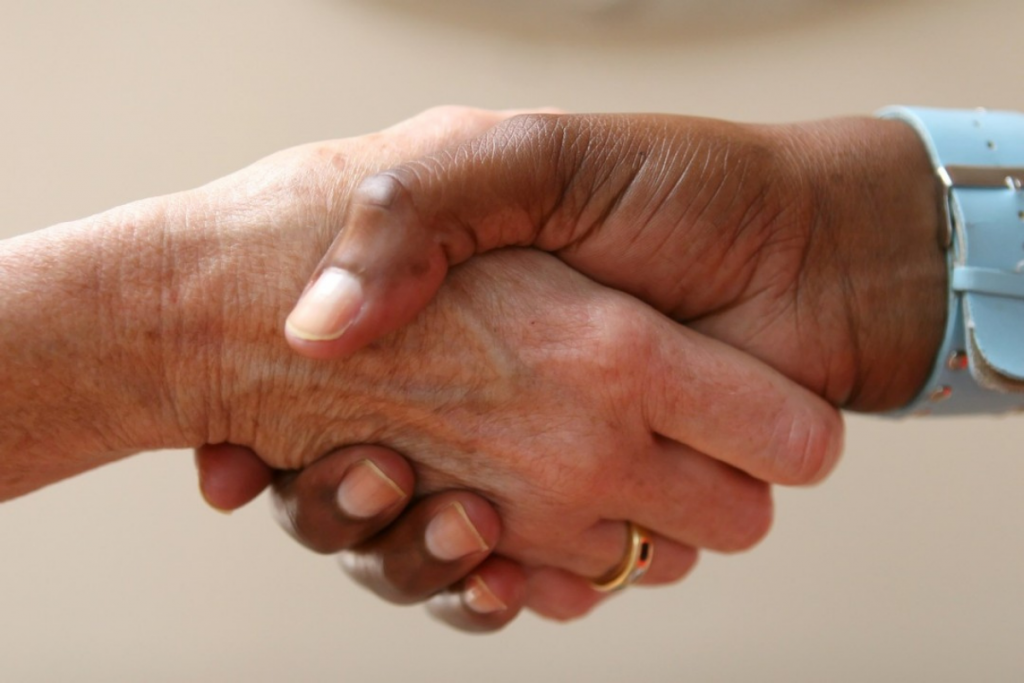
Minority Health Month
As we continue to navigate the multiple complexities brought about through the COVID-19 global pandemic, we are shown the dedication and care of our selfless healthcare professionals, but also reminded of the unfortunate reality that health disparities still exist.
For example, half of those diagnosed with COVID-19 in the Chicago area are African-American, while this demographic makes up only a third of the city’s overall population. In Louisiana, 32% of the state is composed of African-Americans, while they accounted for nearly 70% of deaths related to the illness. Other reports indicate that COVID-19 is disproportionately impacting Hispanic communities as well. Hispanics in Oregon account for 22% of total COVID-19 cases but make up 13% of that state’s population. In New York City, Hispanics make up 34% of deaths while only accounting for 29% of the city population. These disproportionate rates among diverse populations boil down to past and present inequalities, lack of access to healthcare, and other social determinants of health.
Celebrated every April, Minority Health Month is a time to raise awareness of health disparities that affect diverse racial and ethnic populations on a national scale. This year, the Office of Minority Health has partnered with the Office of Disease Prevention and Health Promotion for the “Move Your Way” campaign to highlight the advantages of living an active lifestyle to promote and enhance emotional wellness.

Rising Above COVID-19
November 17, 2019 marks the date of China’s first confirmed COVID-19 case. Four months later, the Coronavirus has become a global outbreak. As the world continually adapts to the developments of the Coronavirus, we must remember that even though most of us feel unsafe, isolated, and worried, we are facing this threat together. As a community, we will survive the uncertainty, illness, and financial distress caused by this pandemic. We have done it before and we will do it again — we will rise above COVID-19.
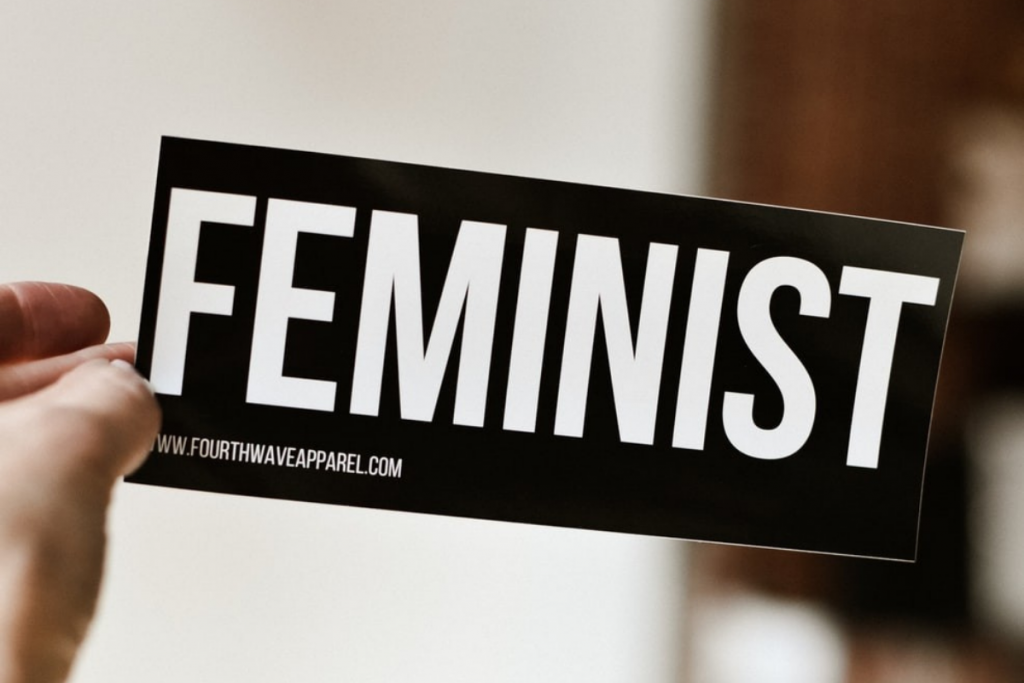
Time’s Up: Engaging Men in Gender Inclusion
While most will not admit it aloud, men feel blamed and often deemed responsible for the inequality women experience across society. It is no secret that women face uphill battles in advancing to corporate leadership positions, receiving equal pay, and being given similar opportunities as men in virtually all industry settings. And in reality, men, whether intentionally or subconsciously, are a part of the problem by enabling the ongoing systemic power structure that is interdependent and interlinked throughout societies. Simply put, male privilege is real. And as Feminism, Me Too, and other gender inclusion movements continue to spark a changing of the guard, men can make a choice to become a part of the solution instead.