Latest Post
The Leadership Vacuum: What to Do When Your Ship Has No Captain
Throughout my 25-year career, I’ve witnessed quite a few leadership vacuums. It’s what happens when a team lacks clear, accountable leadership or chain of command. Sometimes it’s a physical absence where leadership unexpectedly resigns or retreats with poor succession planning in place. But sometimes, it’s a much slower burn where leadership might technically be present,…

Embrace Rejection and Learn to Move Forward
We’re often told that we need to respond to rejection gracefully, that it’s a natural part of life, so “don’t think about it,” brush it off, and move on. While this is true in some instances, the laissez-faire approach to rejection might also hold us back. While rejection is undoubtedly good for self-growth and is needed to advance in life, no matter how “needed” it may be, rejection hurts, and we don’t acknowledge that enough. But can we accept rejection without dwelling on it? While we can’t prevent facing rejection, we can learn how to embrace it so that maybe, it can hurt a little less.

Ageism Never Gets Old: Tackling Age Bias in a Post-COVID Labor Force
When you hear about age discrimination, it usually pertains to an older job candidate not being selected due to their age. The truth is, ageism can potentially affect all ages and points in an employee’s life cycle. As I write this article, I’m reminded that I’m now older than the average employee age in my organization. As I get closer to being in the “older workers” category, this topic hits home for me and my generation, but also, I realize just how much stereotypes on age affect our daily lives. While the law prohibits discrimination in any aspect of employment — “hiring, firing, pay, job assignments, promotions, layoff, training, benefits, and any other term or condition of employment,” ageism undoubtedly still occurs.

It’s More Than Just Fatigue: We Need to Address Employee Burnout
Let’s face it — the past year has all of us feeling some level of fatigue. Even under normal circumstances, fatigue, stress, and overwhelm are common; we’re only human. Though it’s a shared experience, we often underplay the level of fatigue or overwhelm we’re experiencing, which can not only further our fatigue but can create feelings of isolation.
Feeling “burnt out” has become a common phrase amongst tired people, so it’s not unusual to hear this around the office. The issue with normalizing the phrase is that when people are actually burnt out, they aren’t taken seriously as it’s typical to just shrug it off.

What to Do When You Can’t Clock Out: Tips to Navigate Working Parenthood
Work-life balance is difficult for anyone to achieve, but for working parents, navigating parenthood and career can at times feel like an impossible task. Sheer willpower helps to a point, but nothing supports this balancing act like having a real strategy, a method to the madness, so to speak. While few would call working and navigating parenthood a simple feat (certainly none that ever tried), many would agree that it’s a balancing act that demands devotion and adaptability.
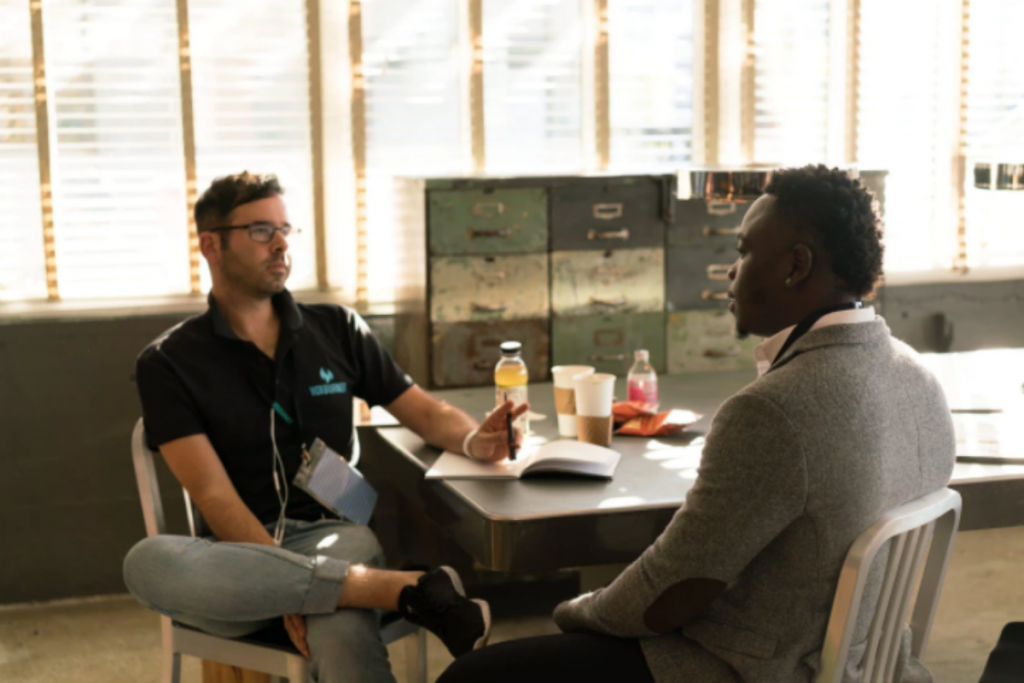
When Talking About an Inclusive Environment, We Have to Discuss ‘Splaining
Though most people see Spring as a stepping stone we must cross over to get to Summer, it’s a great time for growth and change, both personally and professionally. This Spring, there’s a lot of change happening — vaccines are steadily rolling out, and the hope of returning to “normalcy” is within reach. As some of us start to head back into our offices, I’m hopeful about those lingering promises to “do better” that many of us made this past year. It’s also my hope that these promises are fulfilled, and it’s up to us to hold our companies accountable so that these important topics of inclusion and diversity in the workplace span further than just during a movement or national month.

Black History Month Beyond February
As another Black History Month comes to a close, I encourage each of us to take a moment to reflect, especially this year as many individuals and institutions have pledged to do better. Afterall, we can always do better — all of us. Here are a few resources on Black speakers, authors, educators, and activists to learn from all year and for many years to come. Life gets away from us so easily, especially now with so much going on in our virtual and remote environments. If you haven’t already, I encourage you to dedicate time each week — even if just five minutes while drinking your morning coffee — to reflect, educate, and grow.