Latest Post
The Leadership Vacuum: What to Do When Your Ship Has No Captain
Throughout my 25-year career, I’ve witnessed quite a few leadership vacuums. It’s what happens when a team lacks clear, accountable leadership or chain of command. Sometimes it’s a physical absence where leadership unexpectedly resigns or retreats with poor succession planning in place. But sometimes, it’s a much slower burn where leadership might technically be present,…

Black Panther and A Wrinkle In Time: Looking Back at Important Events Up to this Historic Moment
Black Panther’s release last month—during Black History Month, no less—was an immediate success, quickly raking in an estimated $200 million in its first weekend at the box office, placing itself among the most profitable Marvel movies of all time.
One of the greatest reasons for its success is its unapologetically black all-star cast. With Chadwick Boseman starring as the Black Panther, the entire lineup is flooded with black actors and actresses, not to mention black director Ryan Coogler. But the movie goes a step further: Set in the fictional country of Wakanda, Black Panther celebrates black culture, custom, and tradition, and features a wardrobe inspired by African garb.
Even more recently, A Wrinkle In Time generated a weekend debut of $33 million at the box office. This film is being celebrated for its diversity, especially with Ava DuVernay working as the first African-American woman to direct a major studio film.
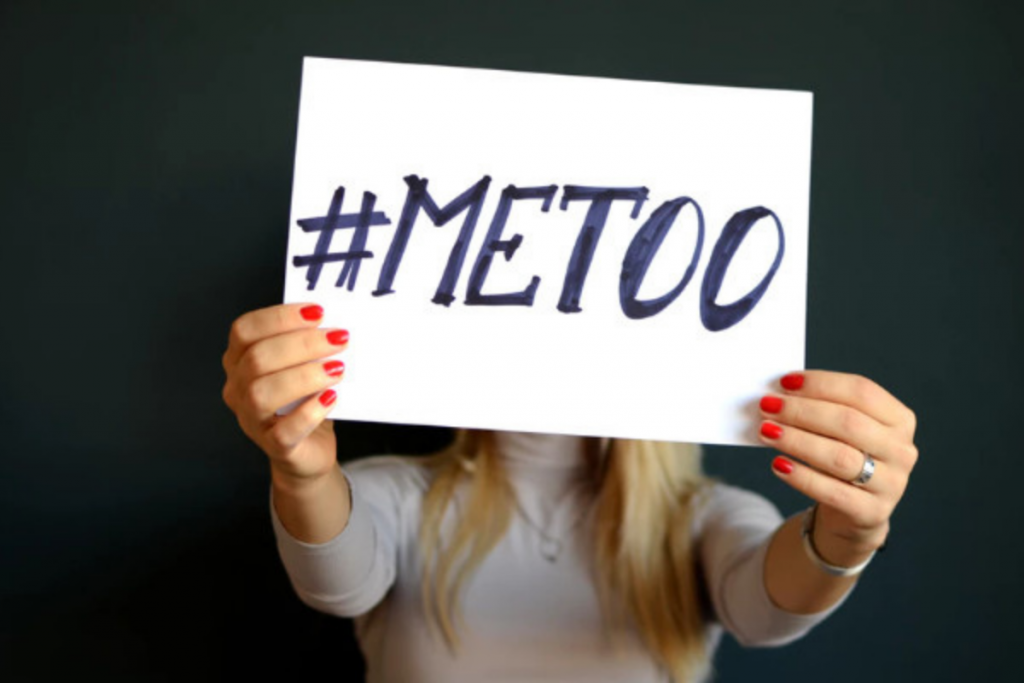
Workplace Sexual Harassment: Where We’re Headed in 2018
Mere weeks ago, TIME Magazine announced its Person of the Year: The Silence Breakers—those brave women (and some men) who courageously spoke up about their experience with harassment of all forms in the workplace. This article featured the courageous stories of countless household names, such as Taylor Swift and Megyn Kelly, numerous blue-collar workers, and even Tarana Burke, the individual who started #MeToo—the movement that helped women throughout social media share their stories of sexual assault and harassment.

Spark Growth: Developing Self-Awareness as a Leader
When you think of the qualities inherent in a great leader, you likely think of traits like integrity, communication, and the ability to manage others. Though many leaders are great managers and professional coaches, large numbers of them struggle with self-awareness. Oftentimes, they are so absorbed with running businesses and guiding others, they seldom stop to think about the impact of their words or actions.
Self-awareness is a quality that will bring out the best in you and those with whom you work. It can enhance our reasoning and our thinking, as well as improve our interpersonal skills for better relationship outcomes. A new year is only a few short weeks away. Commit to great introspection by following these self-awareness tactics.
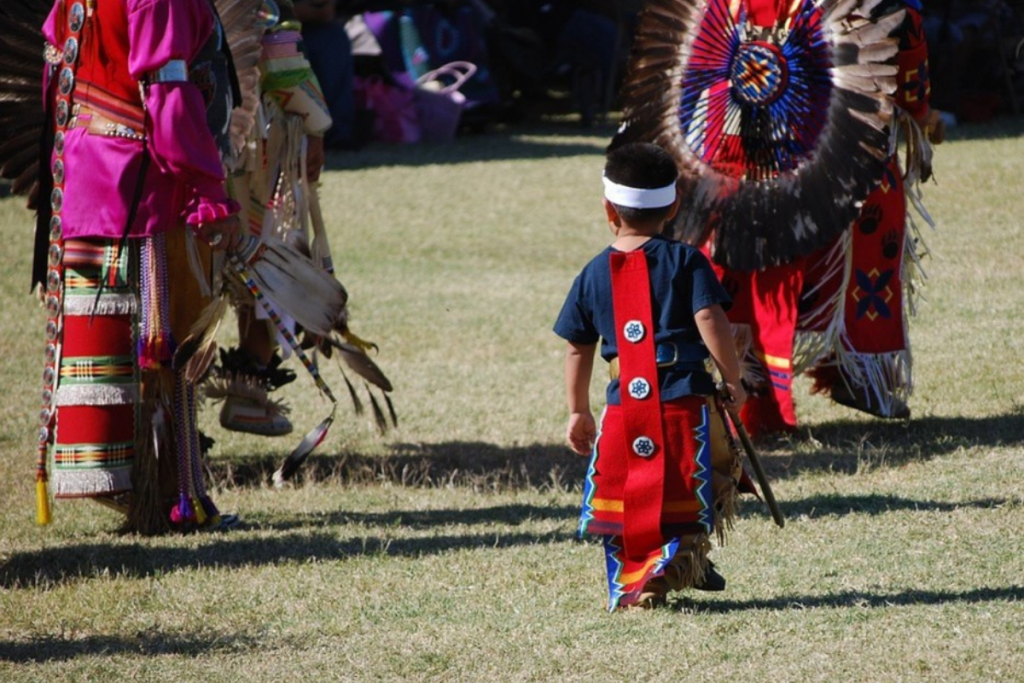
Celebrating Native American Heritage
November is recognized as the season of Thanksgiving. We all know the history: In 1620, the Mayflower set sail for Cape Cod. After a troubled first year, the Pilgrims enjoyed a three-day feast with their Native American friends of the Abenaki and Pawtuxet tribes, who saved the Pilgrims from starvation by teaching them how to live off the land.
Despite the initial hospitality, the relationship between European settlers and Native Americans quickly declined. The Native American tribes were already well-established throughout North America, especially along the east coast. In fact, by the time European adventurers arrived in the 15th century A.D., scholars estimate that more than 50 million people were already living in the Americas. Of these, some 10 million lived in the area that would become the United States.

The Generation Gap: Tackling Differences in Professionalism Among Boomers and Millennials
The passing of the torch took place in 2015 when Millennials displaced Boomers and Gen-Xers as the biggest population in the workforce. The sheer number of Millennials will only increase over the next decade with the U.S. Bureau of Labor predicting this age group, which generally refers to the generation of people born between the early 1980s and 1990s, will make up nearly 75% of the workforce by 2030.
With such large numbers on the horizon, Boomers and Millennials need to find common ground in order to continue driving growth and business success within companies.

National Hispanic Heritage Month
From September 15 to October 15, the United States recognizes National Hispanic Heritage Month. The Hispanic population makes up 18% of the US population, growing from a mere 5% in 1970. That 18% is made up of 57 million people from many different countries.
During the twentieth century, we wrote and talked about the Mexican community, the Puerto Rican population, the Guatemalan culture, and more. So why do we now use the inclusive term “Hispanic?”